





Generator Selection & Sizing

Coalbed Methane Generator Selection: Gas and Site Inputs

This technical guide explains how to evaluate fuel and site conditions when selecting reciprocating gas engines for coalbed methane (CBM) and coal seam gas (CSG). Project teams must review measured gas properties, site ambient conditions, and electrical loads against written engine maker inlet limits. Fuel conditioning depends on the measured gas envelope rather than an assumed default treatment train. Engine site rating and auxiliary electrical deductions are separate engineering evaluations. Pipeline-sales specifications serve commercial gas transport rather than defining engine fuel acceptance.

4 min read By SEER POWER
On this page
  1. 1. Define the Gas Source
  2. 2. Check Gas and Flow Records
  3. 3. Match Gas to the Chosen Engine
  4. 4. Match Gas Supply to Site Loads
  5. 5. Check Net Power and Site Links

Guide snapshot

Direct answer

Selecting a coalbed methane generator requires comparing measured gas reports and site conditions directly with written engine maker acceptance limits. Standard natural gas equipment cannot run on raw field gas without technical review. Necessary gas conditioning depends on the measured gas envelope and engine limits, which may call for liquid separation, particulate filtering, drying, or sulfur treatment. Engineers size plant capacity on dependable gas availability, account for project-specific site ratings, and deduct actual auxiliary electrical loads at the agreed boundary.

This guide covers

  • Defining coalbed methane and coal seam gas for reciprocating engine power generation.
  • Gathering representative gas reports, operating pressures, temperatures, and supply records.
  • Evaluating engine maker fuel acceptance requirements and site gas conditioning needs.
  • Sizing plant capacity to match dependable gas availability and site load profiles.
  • Determining site engine ratings, auxiliary electrical loads, and net power boundaries.
  • Outlining technical responsibilities for gas, equipment, and electrical interfaces.

Best for

  • Project developers planning power generation assets for commercial coalbed methane or coal seam gas.
  • Plant engineers reviewing fuel conditioning equipment, generator packages, and balance-of-plant loads.
  • Procurement teams requesting commercial equipment proposals and written manufacturer fuel acceptance.
  • Technical consultants conducting feasibility studies and electrical interconnection assessments.

Define the Gas Source

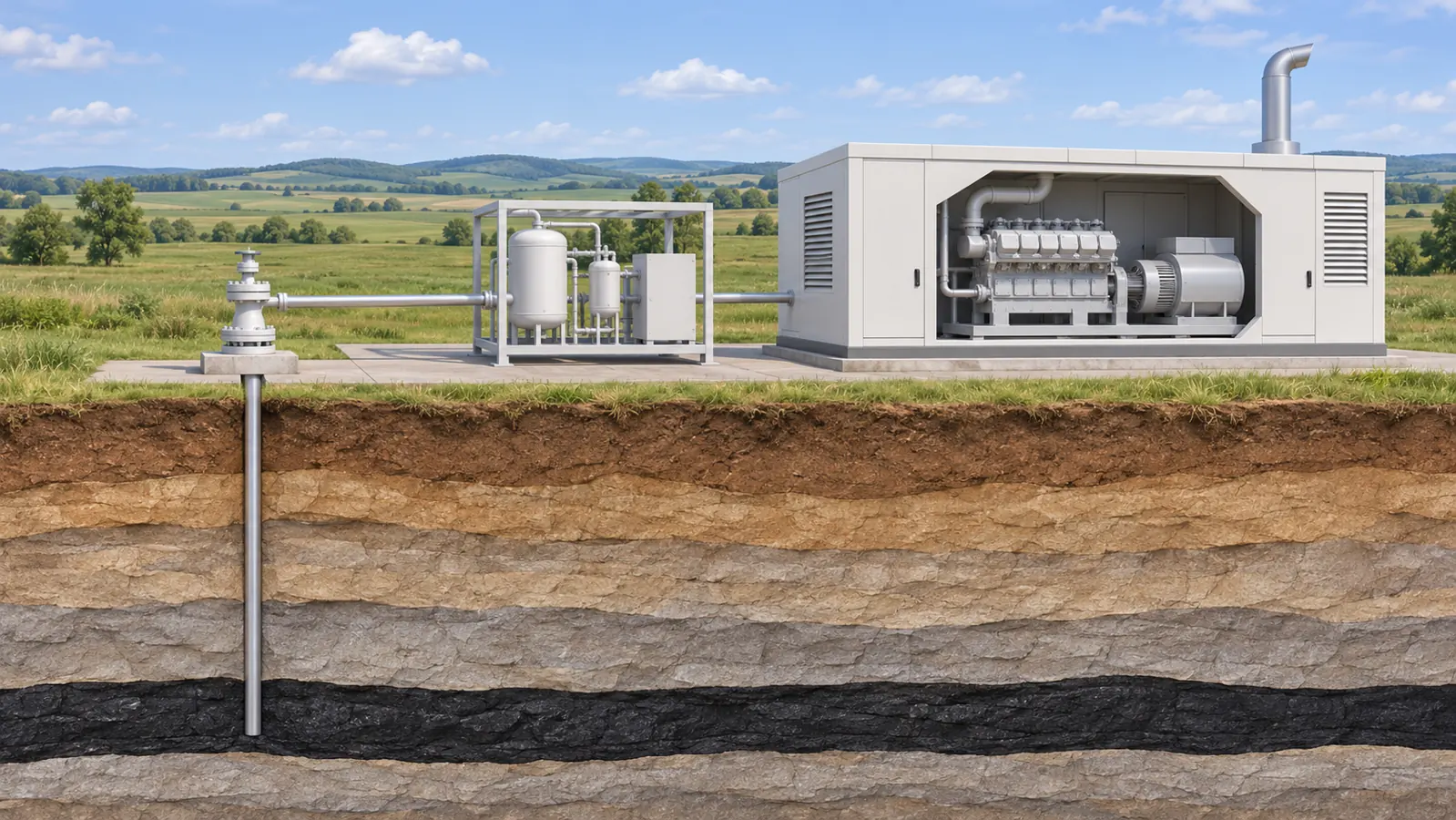
Coalbed methane, also called coal seam gas, comes from coal seams. This energy resource provides a distinct fuel source. The gas serves as a power source, not coal-burning fuel. Projects install a coalbed methane generator for electricity.

For stationary power, plants often choose a gas generator set. This unit pairs a gas piston engine with an electric generator. Plants also call this packaged gas generator a genset.

Commercial coalbed methane power generation uses gas produced as an energy resource. The U.S. EPA separates CBM from coal mine methane (CMM) released or captured in mining. Dilute ventilation air methane (VAM) cannot fuel ordinary engines. Choosing a coal seam gas generator requires real fuel and site data.

Check Gas and Flow Records

Engineers review site records and gas reports that reflect real field fuel. Teams track usable flow, pressure, temperature, and the gas mix over time. Records should show low, normal, and high supply where known. Heating values and measured volumes require stated reference conditions.

Teams check methane, carbon dioxide, nitrogen, and oxygen where relevant.

They test for heavier hydrocarbons where present. Gas tests also track sulfur species, water, and dust particles. Coal seams vary across fields. Teams never assume a universal fuel purity or heat rate.

A lab report alone cannot prove real field liquid carryover. Gas reports and site checks must reflect the real stream. Together, these checks assess liquids, mist, and dust particles as needed. These steps confirm whether fuel meets the selected maker’s limits.

Match Gas to the Chosen Engine

Buyers often review commercial generator catalogs when planning a generator installation. A natural gas generator or natural gas genset label does not prove coalbed methane acceptance. Catalog quotes describe general equipment options, not approved fuel.

Project teams must obtain written fuel approval from the selected engine maker. The maker reviews the real fuel range and actual engine setup. This review confirms the site rating and planned running limits. Catalog labels alone cannot approve fuel for a plant.

Pipeline quality is not a default engine fuel rule. As shown by Generon, pipeline upgrading serves a distinct gas sales use. That target does not set an engine inlet limit. Actual selected-engine written limits govern project fuel choices.

Gas cleanup follows the real fuel range and selected maker limits. Treatment can remove liquids, particles, and water as needed. Some streams also need sulfur removal or heavier-hydrocarbon treatment. Not every gas needs every step, but treatment scope affects operating costs.

Match Gas Supply to Site Loads

Engineers size plant capacity using dependable usable gas and actual site loads.

They avoid sizing for brief peak flows. Measured records show low and normal gas supply over time. Operators review long term fuel trends to match power needs. They also check gas generator project inputs to balance loads with fuel delivery.

Teams check real fuel supply, site load, and maker duty before planning continuous power. Delivering reliable power requires matching fuel flow to the maker’s running limits. Planners assess cost effectiveness using real cleanup costs, gas flow, and power demand.

Using several units may help when gas supply changes over time. However, multiple units assist variable flow only under a qualified load plan. The site control system must keep engines within the maker’s running and low-load limits. Multiple units do not ensure efficiency by themselves.

Check Net Power and Site Links

Choosing an industrial generator or industrial genset requires confirming site power ratings. Altitude, site air temperature, and the fuel mix can alter engine power. Discussing mining-related gas engines, Caterpillar engineers show how fuel shifts change engine limits. The maker confirms the final setup, site rating, and any needed derating.

Engineers calculate net electrical power output at an agreed boundary. They subtract actual loads from gas compression, treatment, and cooling once without double counting. In gas power plants, these plant loads vary by site. This step defines useful electricity at the connection point.

The electrical system depends on whether units run in island mode or tie into power systems. These projects involve industrial applications at the project site. Qualified teams review plant loads, protection gear, and controls for the chosen power link.

Final checklist

  • Collect representative gas reports and time series records of usable flow, pressure, temperature, and composition.
  • Specify clearly stated reference conditions for all heating values, gas volumes, and field measurement numbers.
  • Secure written fuel acceptance, confirmed equipment configuration, and site ratings from the selected engine maker.
  • Define project-specific gas conditioning equipment and outlet quality guarantees matching engine inlet limits.
  • Establish testing duties for gas sampling, liquid detection, particulate monitoring, and contaminant checks.
  • Calculate net electric output at an agreed boundary, deducting actual auxiliary electrical loads once without double counting.
  • Define a site-appropriate qualified load and control plan that keeps running engines within selected-OEM operating and minimum-load limits during supply changes.
  • Recheck selected-engine fuel acceptance, conditioning scope, and operating conditions whenever field gas composition, quality, or pressure changes.
  • Assign qualified project responsibility for gas production rights, gathering systems, environmental permits, and electrical interconnection.

Frequently Asked Questions

Is coalbed methane the same as coal mine methane?

These names describe gas origin rather than universally different fuel chemistry. Projects produce CBM from coal seams as an energy resource. Operations release or capture CMM in connection with mining. Dilute VAM cannot fuel ordinary engines, and real gas reports establish site properties.

Can a standard natural gas generator use CBM without review?

A standard natural gas generator requires engineering review before running on coalbed methane. Catalog labels do not prove fuel approval for field gas. Teams submit real gas reports and site data to the selected engine maker. The maker confirms written fuel approval, real setup, site rating, and needed cleanup.

Does gas need pipeline-sales upgrading before power generation?

Field gas does not always require pipeline-sales upgrading before power generation. The measured gas envelope and selected-engine inlet limits govern site cleanup. As needed, treatment removes liquids, particles, moisture, sulfur, or heavier hydrocarbons. A supplier pipeline target does not set engine limits.

How should changing CBM flow affect capacity selection?

Engineers size capacity from dependable usable gas and real loads, not brief peaks. Several generator units may help when fuel supply changes. Multiple units assist variable flow only under a qualified load and control plan. Running engines must stay within the maker's running and low-load limits to continue operating.

Sources and technical references