





Replacement Scope and System Boundaries
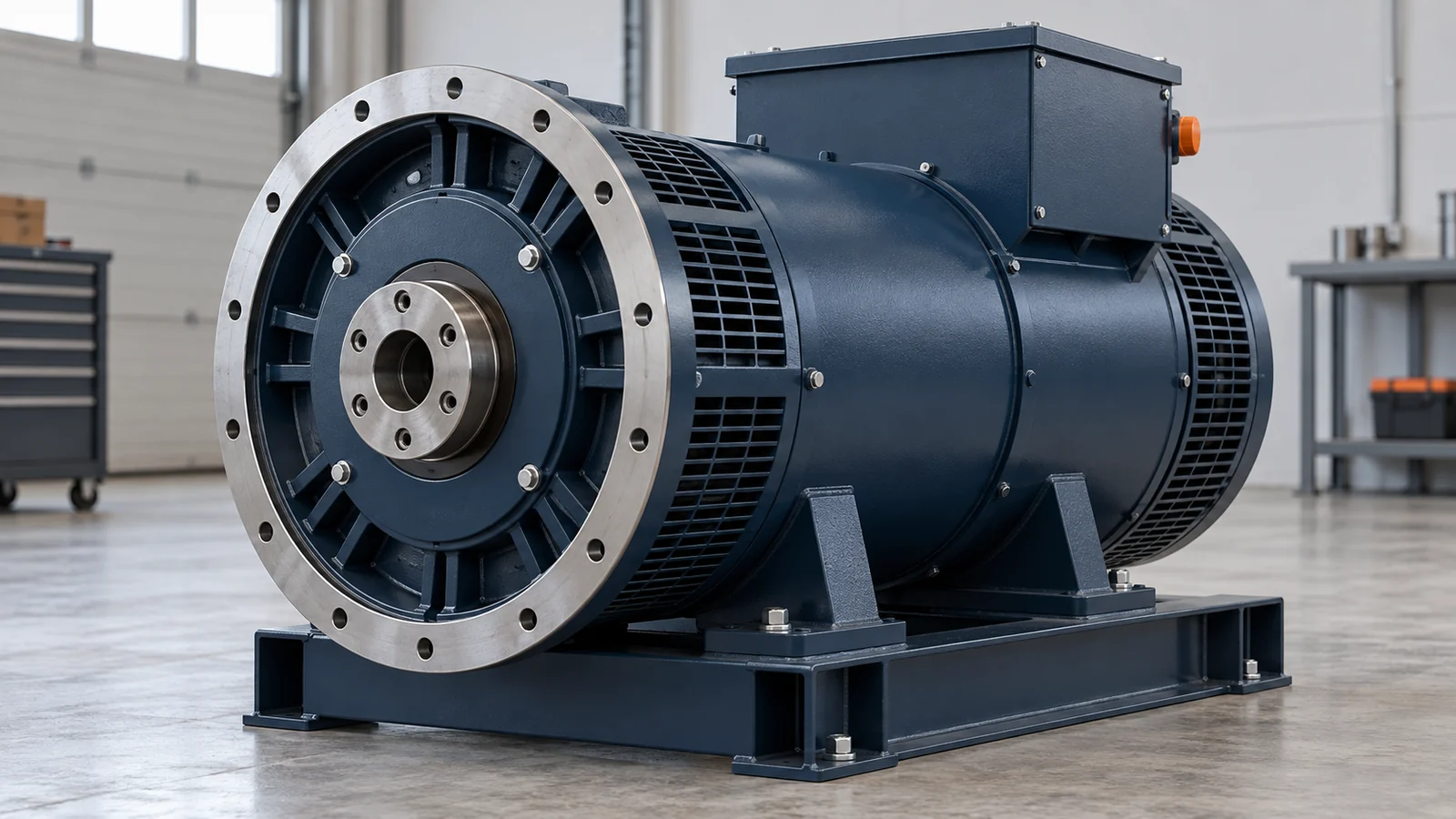
In AC units, an electric generator head turns shaft torque into electrical power. It works through a rotating magnetic field. It forms the alternator end of an industrial generator. A complete generator set, or genset, adds the engine and support systems, with scope varying.
Buyers follow a four step check: confirm the failed part and output type, check mechanical fit, match controls, and collect test records. Fixed speed AC units differ from engine mounted DC units built for battery banks or trucks.
Standby generators and commercial generators often supply backup power during power outages. They serve data centers or a large scale site. Reliable power depends on the full tested system, not the head alone.
Nameplate Ratings and Output Records
Teams comparing replacement generator heads review the old nameplate, winding chart, and build sheet. The replacement alternator must match approved system needs and exact manufacturer records. Teams check declared voltage, phase, frequency, speed, and ratings.
Nameplates, datasheets, and application records list rated power outputs, thermal class, heat rise, and site derating. Entries vary, so buyers check both the rating plate and model datasheet.
For an existing diesel generator, buyers record load data and approved winding or connection needs for review. Clear electrical records keep power generation matched to breakers, cables, and busbars.
Bearing Layout and Coupling Drawings
Mechanical checks require outline drawings for the engine flywheel end and the new frame. Single bearing and two bearing layouts form the main split, but bearing count never proves fit.
Teams match the bearing and coupling layout to exact engine and alternator drawings. Single-bearing units use approved housing and disc drawings, including SAE details where fitted. Two-bearing units need approved shaft, coupling, height, and base drawings.
Rotor mass and shaft stiffness must also suit the engine torsional profile. Frame length, terminal box side, and fan intake path must fit the skid. Teams should review enclosure airflow and service access boundaries before ordering.
Excitation and Voltage Regulator Matching
Brushless AC units do not share one universal excitation design. Shunt, auxiliary winding, and permanent magnet exciter systems react differently to heavy motor starts and short circuits.
The automatic voltage regulator, sensing, and excitation must match the specific alternator. Engineers review fitted droop or controller links separately, plus heaters, sensors, and current transformers where required.
Engineers check how the new terminal box wires into generator control panel monitoring and protection circuits. Site switchgear and any transfer switch stay separate gear that still needs steady output.
Pre Running Checks and Safe Return
Final sign off requires model specific manuals and trained site staff. The STAMFORD UC22 and UC27 low voltage alternator owner manual gives an OEM example for those two frames. It does not prove that another unit fits or that SEER POWER sells those models.
Qualified staff use the exact model manual for a generator head. They follow site lockout rules and isolate all energy sources before work. For UC22 and UC27 units, that manual covers rating-plate checks, alignment, airflow, earthing, insulation testing, and regulator setup. Commissioning records must verify mechanical, electrical, and protection checks for the assembled set before return to service.